Layers of Evidence

Stroke prevention with CGuard® Prime Carotid Stent has been proven in numerous trials and case studies worldwide

C-GUARDIANS
Summary of IDE Trial

Final 1-Year Outcomes from the C-GUARDIANS study of the CGuard® Carotid Stent System

Objective

The authors sought to evaluate the safety and efficacy of the MicroNet-covered stent in treating patients with significant carotid stenosis at high risk of adverse events from carotid endarterectomy.

Conclusions

CGuard demonstrated the lowest 30-day and 1-year primary endpoint major adverse event rates of any pivotal study of carotid stenting (CAS).3-10

0.95%
through 30 days3
Death, any Stroke, or MI† (DSMI)
1.93%
through 1 year
Composite of DSMI through 30 days or ipsilateral stroke 31-365 days post-index procedure.3‡

Study population

316 patients
Mean age: 69.0 years
Female: 36.1%
Symptomatic: 25%
minimum 50% stenosis; Asymptomatic patients required stenosis > 80%)
24 trial sites
Across the US and EU

Endpoints

Primary endpoint
Composite of death (all-cause mortality), any stroke, myocardial infarction (DSMI) through 30-days post index procedure, ipsilateral stroke from day 31 to day 365 post-procedure
Secondary endpoints
Patency and reintervention through 1 year
Carotid Artery Stenting (CAS)
Femoral Approach

30-day major adverse event (MAE) rates

SAPPHIRE4
4.8%
BEACH5
5.4%
MAVErIC6
5.4%
CREST CEA7
4.5%
CREST CAS7
5.2%
PROTECT8
2.3%
CONFIDENCE9
3.1%
PERFORMANCE II10
2.3%
CGUARDIANS3
(InspireMD)
0.95%
The lowest independently adjudicated 30-day and 1-year primary endpoint major adverse event rates of any pivotal study of carotid stenting (CAS)3-10

CGUARDIANS II
Summary of IDE Trial

30-Day Outcomes from the CGUARDIANS II study of the CGuard® Prime Carotid Stent System (80 cm) in Transcarotid Artery Revascularization (TCAR)

Objective

The CGUARDIANS II study was designed to evaluate the acute device success and technical success of the CGuard® Prime 80 cm Carotid Stent System when used in conjunction with a transcarotid neuroprotection system during TCAR in patients at high risk for adverse events from carotid endarterectomy (CEA).

Conclusions

In the CGUARDIANS II study, acute device success was achieved in 100% (50/50) of patients. Technical success was achieved in 98% (49/50) patients.18

0.0%
through 30 days
Death, any Stroke, or MI (DSMI)
100%
stent patency at 30 days
No evidence of restenosis or thrombosis

Study population

50 patients
Age: ≥18 and <80 years of age
Female: 36.1%
Symptomatic: 25%
minimum 50% stenosis; Asymptomatic patients required stenosis > 80%)
11 trial sites
Across the US

Endpoints

Primary endpoints
Acute device success:
Successful insertion of the delivery system, deployment of the CGuard Prime 80 cm stent and retraction of the delivery system
Technical success:
Successful delivery and deployment of the CGuard Prime 80 cm stent with final residual diameter stenosis <30%
Secondary endpoints
Procedural success:
Acute device success without death, stroke or myocardial infarction through 30 days
Treatment success:
Technical success without death, stroke or myocardial infarction through 30 days
TCAR
Transcarotid Approach

30-day major adverse event (MAE) rates

0.7%
3.5%
0.0%
Performance III16
Contego | Neuroguard® | IEP
Roadster II17
Boston Scientific | ENROUTE
CGuardians II18
InspireMD | CGuard®
CGuard Prime demonstrated high levels of acute and technical device success with the lowest rate of major adverse events in pivotal TCAR stent studies.16-18

More Clinical Trials

CARMEN Meta-Analysis First (FGS) vs Second (SGS) Gen Stent Outcomes

Second- versus First-Generation Carotid Stents: A Systematic Review and Meta-Analysis

Objective: To compare clinical outcomes of SGS in relation to first-generation stents (FGSs; single-layer) in CAS

Conclusion: Pooled SGS use was associated with improved short- and long-term clinical results of CAS. Individual SGS types, however, differed significantly in their outcomes, indicating a lack of a “mesh stent” class effect.”
PARADIGM-EXTEND

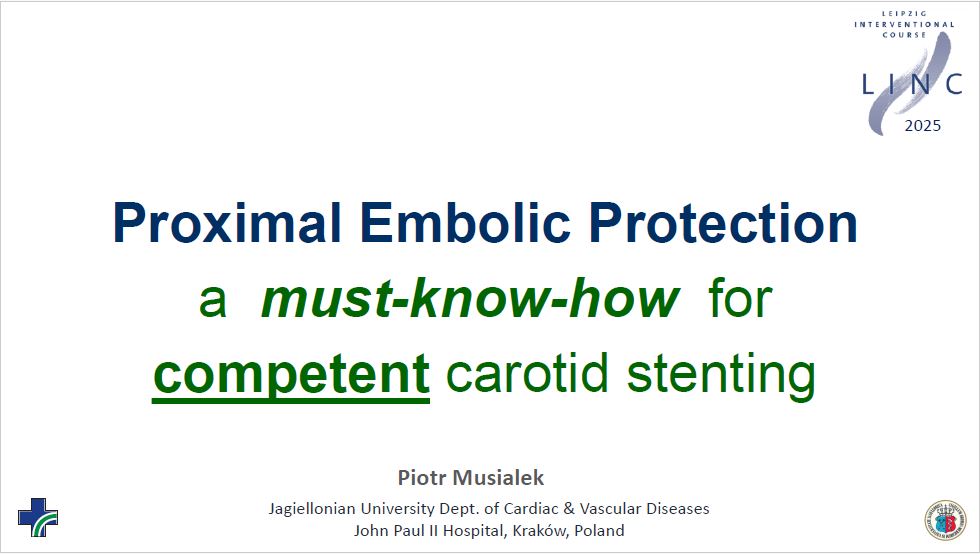
Accumulating long-term evidence for MicroNetTM-covered stent safety, efficacy, and durability in primary and secondary stroke prevention: 5-year data from the PARADIGM-Extend prospective academic trial

Objective: To evaluate the feasibility and outcome of routine anti-embolic stent system use in unselected, consecutive patients referred for carotid revascularization (all-comers study).

Conclusion: Long-term clinical and duplex ultrasound evidence is consistent with normal healing and sustained safety and stroke prevention efficacy of the MicroNetTM-covered embolic prevention stent system, which is routinely used, on top of optimized medical therapy, for stroke prevention in symptomatic and increased-stroke-risk asymptomatic subjects with carotid stenosis recommended for revascularization by the NeuroVascular Team.

Randomized Controlled Trial

Randomized Controlled Trial of Conventional Versus MicroNetTM-Covered Stent in Carotid Artery Revascularization

Objective: The aim of this study was to compare procedure-related ipsilateral cerebral embolism with a conventional (Acculink, Abbott Vascular) versus a MicroNetTM-covered (CGuardTM, InspireMD) stent in carotid artery stenting (CAS).

Conclusion: The MicroNetTM-covered stent significantly reduced periprocedural and abolished postprocedural cerebral embolism compared to a conventional carotid stent. This is consistent with the MicroNetTM-covered stent’s sustained embolism prevention, which translates into cerebral protection during and after CAS. The present findings may influence decision-making in carotid revascularization.

Publications

Zidan M, Gronemann C, Lehnen NC, et al. Stenting with dual-layer CGuard stent in acute sub-occlusive carotid artery stenosis and in tandem occlusions: a monocentric study

Trystula M, Herzeele IV, Kolvenbach R, et al. Next-Generation TransCarotid Artery Revascularization: TransCarotid flOw Reversal Cerebral Protection And CGUARD MicroNET-Covered Embolic Prevention Stent System To Reduce Strokes – TOPGUARD Study

Clinical Presentations


The CGuard Prime TransCarotid Stent System, when used in conjunction with an embolic protection system specified in the labeling, is indicated for improving carotid luminal diameter in patients at high risk for adverse events from carotid endarterectomy who require carotid revascularization and meet the criteria outlined below:

  • Patients with neurological symptoms and ≥ 50% stenosis of the common or internal carotid artery by angiogram, or patients without neurological symptoms and ≥ 80% stenosis of the common or internal carotid artery by angiogram.
  • Patients having a vessel with reference diameters between 6.4mm and 9.0mm at the target lesion.
  • A carotid bifurcation location that is at least 5 cm above the clavicle, verified through duplex Doppler ultrasound, computer tomography (CT) angiography, or magnetic resonance (MR) angiography.

Compatible Embolic Protection Systems: ENROUTE™ Transcarotid Neuroprotection System.

ENROUTE™ is a registered trademark of Boston Scientific Corporation.

* Among commercially available carotid stents. Data on file.

** Defense is defined as the absence of restenosis

† Myocardial Infarction

‡ Based on modified intent-to-treat Kaplan-Meier analysis

References:
  1. World Health Organization Fact Sheet. Top 10 causes of death. 2024
  2. M. Bosiers, et al. Eur J Vasc Endovasc Surg 2007; 33(2):135-141. doi:10.1016/j.ejvs.2006.09.019.
  3. Metzger DC, et al. JACC. 2025 Dec;18(24):3087-3097. doi:10.1016/j.jcin.2025.09.027
  4. Yadav JS, et al. N Engl J Med. 2004 Oct;351(15):1493-1501. doi: 10.1056/ NEJMoa040127.
  5. Iyer SS, et al. J Am Coll Cardiol. 2008;51(4):427-434. doi:10.1016/j.jacc.2007.09.045
  6. Higashida R, et al. Stroke vol. 41,2 (2010): e102-9. doi: 10.1161/STROKEAHA.109.564161.
  7. Brott TG, et al. N Engl J Med. 2010 Jul;363(1):11-23. doi: 10.1056/NEJMoa0912321. Epub 2010 May 26.
  8. Matsumura JS, et al. J Vasc Surg. 2012 Apr;55(4):968-76. doi: 10.1016/j.jvs.2011.10.120.
  9. U.S. Food and Drug Administration SSED: Roadsaver/CASPER Carotid Stent System (PMA P210030). 2024. Nov 20
  10. Gray WA, et al. J Am Coll Cardiol Intv. 2025 Feb;18(3):367-76. doi: 10.1016/j.jcin.2024.10.031.
  11. Safian RD, et al. J Am Coll Cardiol. 2006 Jun;47(12):2384-89. doi: 10.1016/j.jacc.2005.12.076.
  12. Langhoff R, et al. Cardiovasc Intervent Radiol. 2025 Mar;Vol 48 427–37. doi: 10.1007/s00270-025-04003-z.
  13. Wissgott, C et. al. J Endovasc Ther. 2017 Feb;24(1):130-137. doi:10.1177/1526602816671134
  14. Mazurek A, et al. Eur Heart J. 2020;41(Suppl 2):ehaa946.2404. doi:10.1093/ehjci/ehaa946.2404
  15. Mazurek A, et al. J Cardiovasc Surg. 2023; 64(6):570-582. doi:10.23736/S0021-9509.24.12933-3
  16. Lyden, S, et al. J Vasc Surg. 2026; 05. doi:10.1016/j.jvs.2026.05.027
  17. Kashyap VS, et al. Stroke. 2020 Sep;51(9):2620-2629. doi:10.1161/STROKEAHA.120.030550
  18. U.S. Food and Drug Administration SSED: CGuard Prime Carotid Stent System (PMA P240029-S005) 2026.

Layers of Evidence

Stroke prevention with CGuard® has been proven in numerous trials and case studies worldwide
C-GUARDIANS U.S. Investigational Device Exemption (IDE) trial – 1-year follow-up
316
Patients
24
Trial Sites
🇺🇸 🌎
U.S. and Europe
Low rates of major adverse events
Intent-to-treat (ITT)
0.95%
through 30 days
Death, any Stroke, or Myocardial Infarction (DSMI)
1.93%
through 1 year
Composite of DSMI through 30 days or ipsilateral stroke 31-365 days post-index procedure. 1†
Per protocol (PP)
0.63%
through 30 days
Death, any Stroke, or MI (DSMI)
1.71%
through 1 year
Composite of DSMI through 30 days or ipsilateral stroke 31-365 days post-index procedure. 1‡
The lowest independently adjudicated 30-day and 1-year primary endpoint major adverse event rates of any pivotal study of carotid intervention1-10

Clinical Trials

C-GUARDIANS Pivotal Trial

Safety and Efficacy of the CGuard® Carotid Stent System in Carotid Artery Stenting (C-GUARDIANS)

Objective: The authors sought to evaluate the safety and efficacy of the MicroNet-covered stent in treating patients with significant carotid stenosis at high risk of adverse events from carotid endarterectomy.

Conclusion: The C-GUARDIAN trial demonstrated low rates of DSMI through 30 days, and ipsilateral stroke through 1 year. No unexpected adverse device effects or unexpected serious adverse device effects were reported.

C-GUARDIANS 30-day Outcomes

Safety and Efficacy of the CGuard™ Carotid Stent System in Carotid Artery Stenting (C-GUARDIANS)

Objective: 30-day assessment of the safety and efficacy of the CGuard™ carotid stent system in patients (N=316) at high risk for carotid endarterectomy with  carotid artery stenosis (25% symptomatic).

Conclusion: Treatment with the CGuard™ carotid stent system with embolic protection had a low incidence of stroke, death, or MI post-procedure to 30-day follow-up.

CARMEN Meta-Analysis First (FGS) vs Second (SGS) Gen Stent Outcomes

Second- versus First-Generation Carotid Stents: A Systematic Review and Meta-Analysis

Objective: To compare clinical outcomes of SGS in relation to first-generation stents (FGSs; single-layer) in CAS

Conclusion: Pooled SGS use was associated with improved short- and long-term clinical results of CAS. Individual SGS types, however, differed significantly in their outcomes, indicating a lack of a “mesh stent” class effect.”
Case Studies

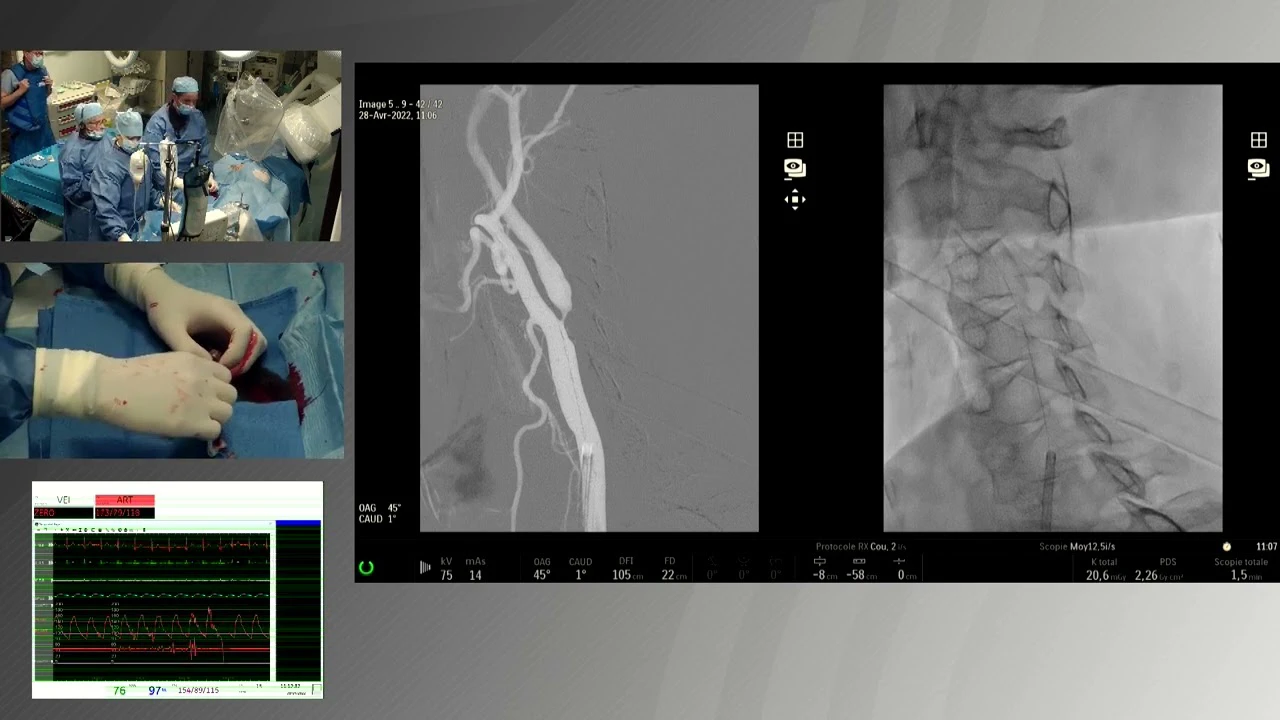
Protected Carotid Artery Stenting with MicroNet™ Carotid Stent Incathlab Case of the month: Nov 22

Severe Carotid Plaque Treated with CGuard™ EPS, Prof. Cremonesi

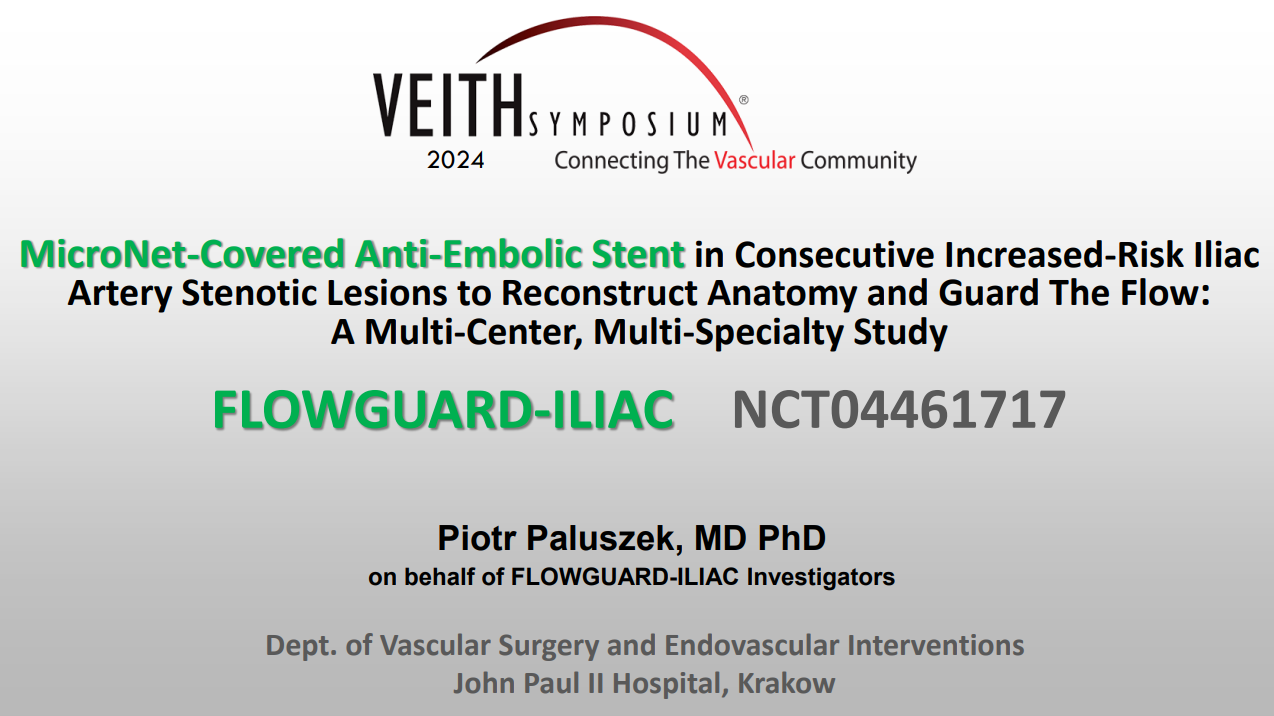
Ulcerated Carotid Stenosis treated with CGuard™, Prof. Musialek

Publications

Zidan M, Gronemann C, Lehnen NC, et al. Stenting with dual-layer CGuard stent in acute sub-occlusive carotid artery stenosis and in tandem occlusions: a monocentric study

Trystula M, Herzeele IV, Kolvenbach R, et al. Next-Generation TransCarotid Artery Revascularization: TransCarotid flOw Reversal Cerebral Protection And CGUARD MicroNET-Covered Embolic Prevention Stent System To Reduce Strokes – TOPGUARD Study

Clinical Presentations


† Based on modified intent-to-treat Kaplan-Meier analysis

References:
  1. InspireMD, Inc. C-GUARDIANS Pivotal Trial: Primary Endpoint Clinical Study Report. Version F (Protocol PRO-9017).
  2. Yadav JS, et al. N Engl J Med. 2004 Oct;351(15):1493-1501. doi: 10.1056/ NEJMoa040127.
  3. Matsumura JS, et al. J Vasc Surg. 2012 Apr;55(4):968-76. doi: 10.1016/j.jvs.2011.10.120.
  4. Higashida R, et al. Stroke vol. 41,2 (2010): e102-9. doi: 10.1161/STROKEAHA.109.564161.
  5. Brott TG, et al. N Engl J Med. 2010 Jul;363(1):11-23. doi: 10.1056/NEJMoa0912321. Epub 2010 May 26.
  6. Kwolek CJ, et al. J Vasc Surg. 2015 Nov;62(5):1227-34. doi: 10.1016/j.jvs.2015.04.460.
  7. U.S. Food and Drug Administration. Summary of safety and effectiveness data (SSED): Roadsaver/CASPER Carotid Stent System (PMA P210030). Published November 20, 2024
  8. Gray WA, et al. J Am Coll Cardiol Intv. 2025 Feb;18(3):367-76. doi: 10.1016/j.jcin.2024.10.031.
  9. Safian RD, et al. J Am Coll Cardiol. 2006 Jun;47(12):2384-89. doi: 10.1016/j.jacc.2005.12.076.
  10. Langhoff R, et al. Cardiovasc Intervent Radiol. 2025 Mar;Vol 48 427–37. doi: 10.1007/s00270-025-04003-z.
Contact Us